3.2.6 Citizenship and Public Policies — discussion prep
Unit 3 · Culture · Lesson 3.2 Politics
The big ideaThis is a class discussion, not a quiz — Apex grades it 7 points for posting your own researched opinion and 3 points for responding to a classmate. This page will not write your post for you. It walks through the vocabulary and the research steps so you walk in ready.
By the end you can
Explain what a citizen is and what public policy means.
Find and describe a real, current public-project debate using a local news source.
Form and support your own position, and respond thoughtfully to a classmate's.
Before you start: what "public policy" means in plain terms
The word sounds bureaucratic, but the idea is simple. Getting comfortable with it before you research makes the rest of the prep faster.
Not sure about the basics underneath this lesson?
Any time a government notices a problem and does something official about it, that's public policy. It doesn't have to be a big law — a new stop sign, a repaved road, or extended library hours all count.
1
Look for the two-part pattern
Problem (traffic is bad on Main Street) → government action (the city adds a traffic light). If you can name both halves, you've found a public policy.
2
"Community" can be small
You don't need a national example. Your city, county, or school district counts just as well — often easier to research, since local news covers it directly.
3
A "young citizen" still has real options
You can't vote yet, but you can write a letter to a representative, speak at a public meeting, start or sign a petition, volunteer, or just raise awareness among people who can vote. Any of these is a legitimate answer to "how could you get involved."
Quick check — answer out loud before you peek
Your school district decides to add a crossing guard at a dangerous intersection near a school. Is this public policy? Why?
Yes — it follows the pattern exactly: a safety problem was identified, and a government body (the school district) took an official action to address it.
Got it now? Scroll back up and re-read the section — it should land differently.
What you're actually being asked to do
Apex asks for two posts: one original post (worth 7 of the 10 points) answering the main question in your own words, and one reply to a classmate (worth 3 points) saying specifically what you agree or disagree with. A one-line reply like "I agree!" will not earn the 3 points — the activity wants you to engage with what they actually said.
What you're actually being asked to do (2)
The main question, word for word from the activity: "Think of a current public project that is the subject of much controversy in your community... Where do you stand on the issue? How can you as a young citizen involve yourself in influencing the outcome of public policy on this particular issue?" If you can't think of a real controversy, the activity gives you a fallback: describe a change you'd like to see in a service or facility you use, and how you'd push for it.
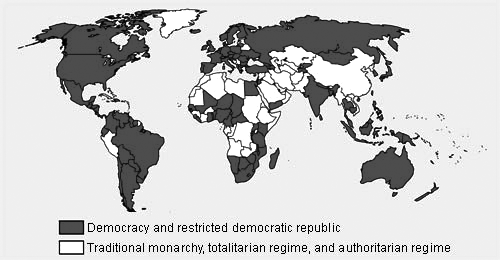
Historical classifications from the course; use the lesson’s definitions rather than treating this as current news.
Likely on the quizThis page only reviews the vocabulary and the research steps. Your actual post needs a real local news source and your own position — that part is yours to write.
Citizen and public policy, defined
A citizen is a member of a nation with the full protections and rights under that nation's laws — and the responsibility to contribute to the country's welfare. As a citizen, you're connected to local, state, and national governments that set public policy: actions a government takes to make and carry out rules and laws, or to solve problems affecting its citizens.
Citizen and public policy, defined (2)
The activity's own examples of public policy in action: a town builds a park to solve a lack of green space. A state funds more community colleges to solve overcrowding at universities. The national government funds freeways and bridges to solve aging transportation. Notice the pattern — a problem, then a government action meant to solve it.
A reminder from earlier in this unit: who holds political power, and how they use it, varies hugely around the world. Citizenship and public policy look different depending on the kind of government involved.
Likely on the quizIf a question asks for the pattern behind public policy, it's always problem identified → government action to address it.
The research you need before you write
The activity's own prep checklist, in order:
The research you need before you write (2)
1. Name the local newspaper (or local news source) you're using. 2. Find one real public project currently being debated in your community — or, if you can't find one, a change you'd like made to a service or facility you use. 3. Summarize the opinions on both sides of the debate. 4. Decide where you stand, and why — is it because the issue affects your community directly, or because of a broader sense of civic responsibility? 5. Think through how a young citizen specifically — someone who can't vote yet — could actually influence the outcome. 6. Consider how place and culture might shape the results of a public policy.
The research you need before you write (3)
Do these six steps with a real source open in front of you before you draft your post. The activity grades on whether you actually did this research, not just whether you have an opinion.
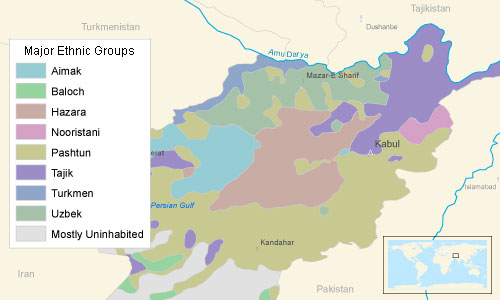
Historical classifications from the course; use the lesson’s definitions rather than treating this as current news.
Likely on the quizStep 5 — "how can a young citizen get involved" — is worth thinking through concretely: writing to a representative, attending a public meeting, petitions, volunteering, or raising awareness are all real routes your post could mention.
Not sure about this bit?
The hardest part is usually just finding a real local story. Here's how to actually do it.
1
Search your local newspaper's website
Most local papers have a search bar. Try terms like "city council," "school board," "proposed," or "debate" along with your town's name.
2
No controversy? Use the fallback
The activity explicitly allows this: pick a service or facility you actually use (a park, a road, your school) and describe one change you wish would happen there. That's just as valid as a real ongoing debate.
3
Write down both sides before you pick yours
Even if you already know your opinion, force yourself to write one sentence for each side first. It makes your eventual argument sharper, because you've already thought about the counterargument.
Got it now? Scroll back up and re-read the section — it should land differently.