1.4.2 Place: What Is It Like?

Unit 1 · Introduction to Geography · Lesson 1.4 Five Themes

The big idea Location told you where it is. Place asks what is it like there? A place is the mix of physical and human characteristics at that location. The picture in your head when you think of Switzerland is place.
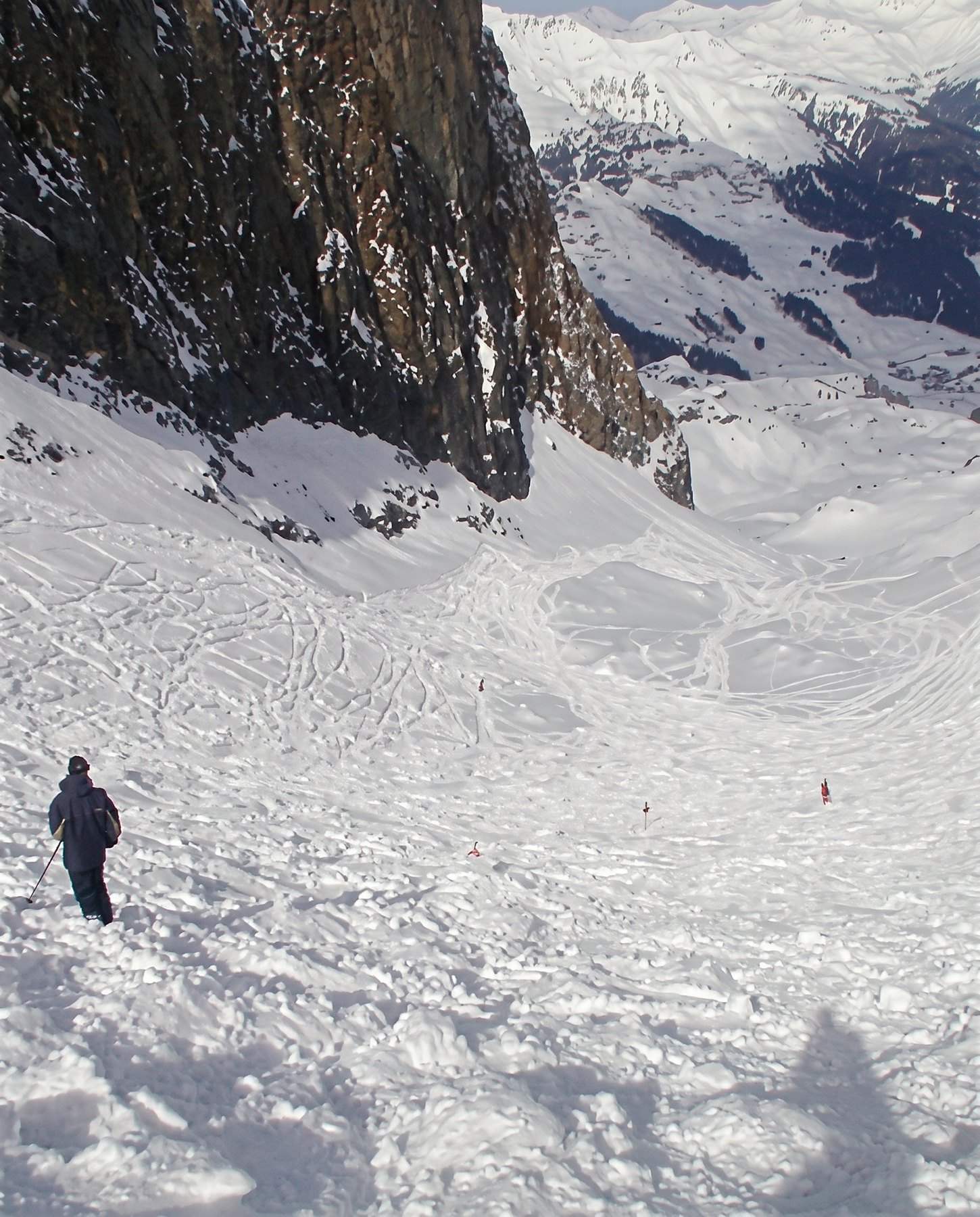
Apex photo: skiing in the mountains in Switzerland

By the end you can

  • Name the two elements of a place description: physical characteristics and human characteristics.
  • Give one human and one physical trait for a hometown, for Saharan Africa, and for sub-Saharan Africa.
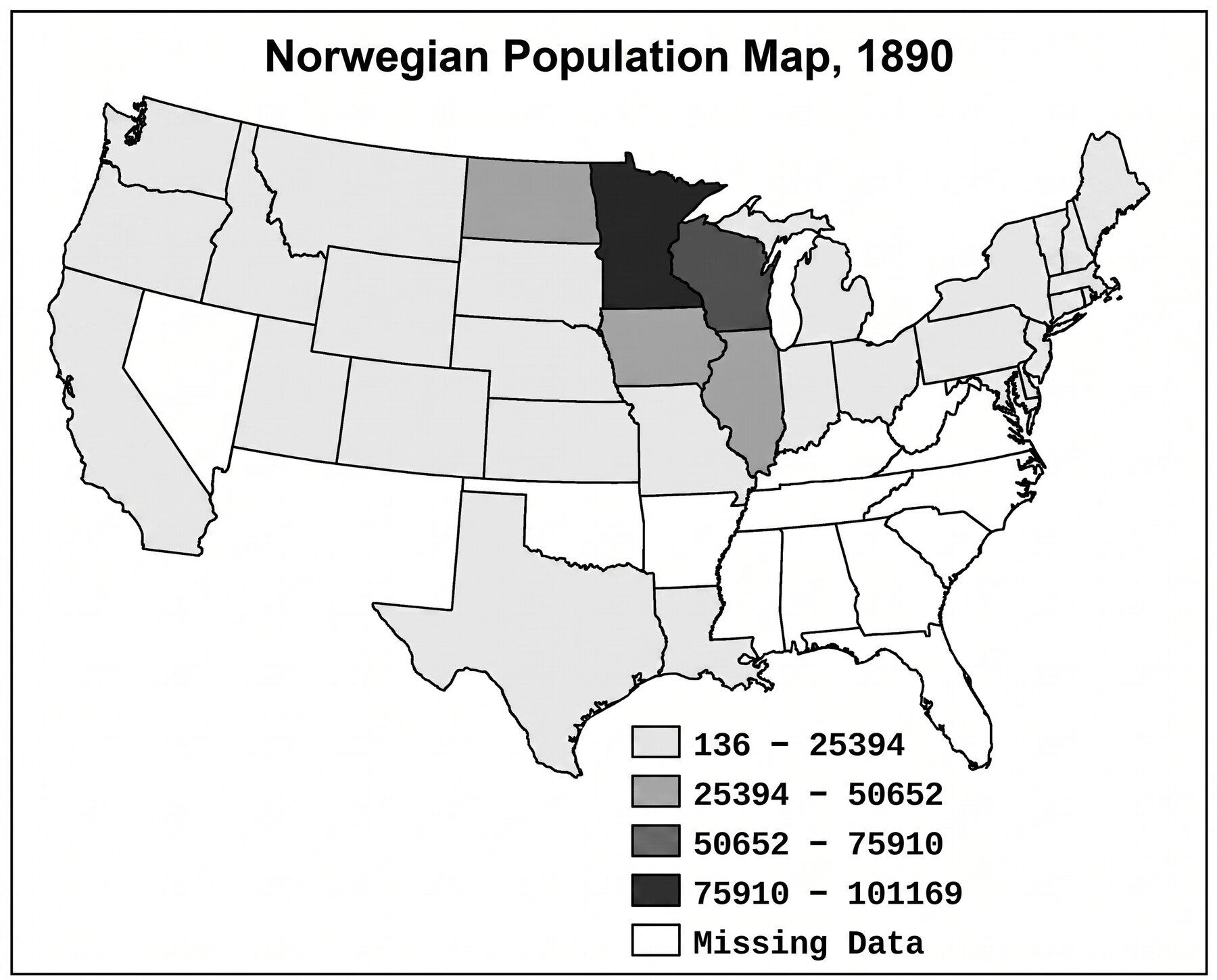
  • Write a short place description for one listed country, and say what place shows about the 1890 Norwegian migration.
What kind of place is this?

Location is the beginning of all geography. Once you know where an area is, the next question is what that area is like. Apex's wording: what kind of place is this?

Place is one of the five themes. It focuses on the human and physical characteristics of a particular location. It answers 'What's it like there?'

Place is the combination of different characteristics found in a specific location. It is really about what you picture when you think of a location.

Apex's example is Switzerland. Physical: it is a mountainous country. Human: people often visit to ski. Both belong in a place description. Apex's photo on this page is that ski slope.

Places are usually more complex than one short line. Most of Switzerland is mountainous, and it is not only a ski-vacation destination. 'Mountainous ski-vacation destination' is still a good start.

Apex's page-1 picture. Caption in the course: Switzerland is a place where people go to ski.
Likely on the quiz Study sheet Q1: the two elements are physical characteristics and human characteristics.
Not sure about this bit?

So close but so far away

Each place on Earth has a distinct look and feel. That is what makes it a place instead of just a point defined by latitude and longitude. A place can be any size. Australia is a place. Your neighborhood is a place too.

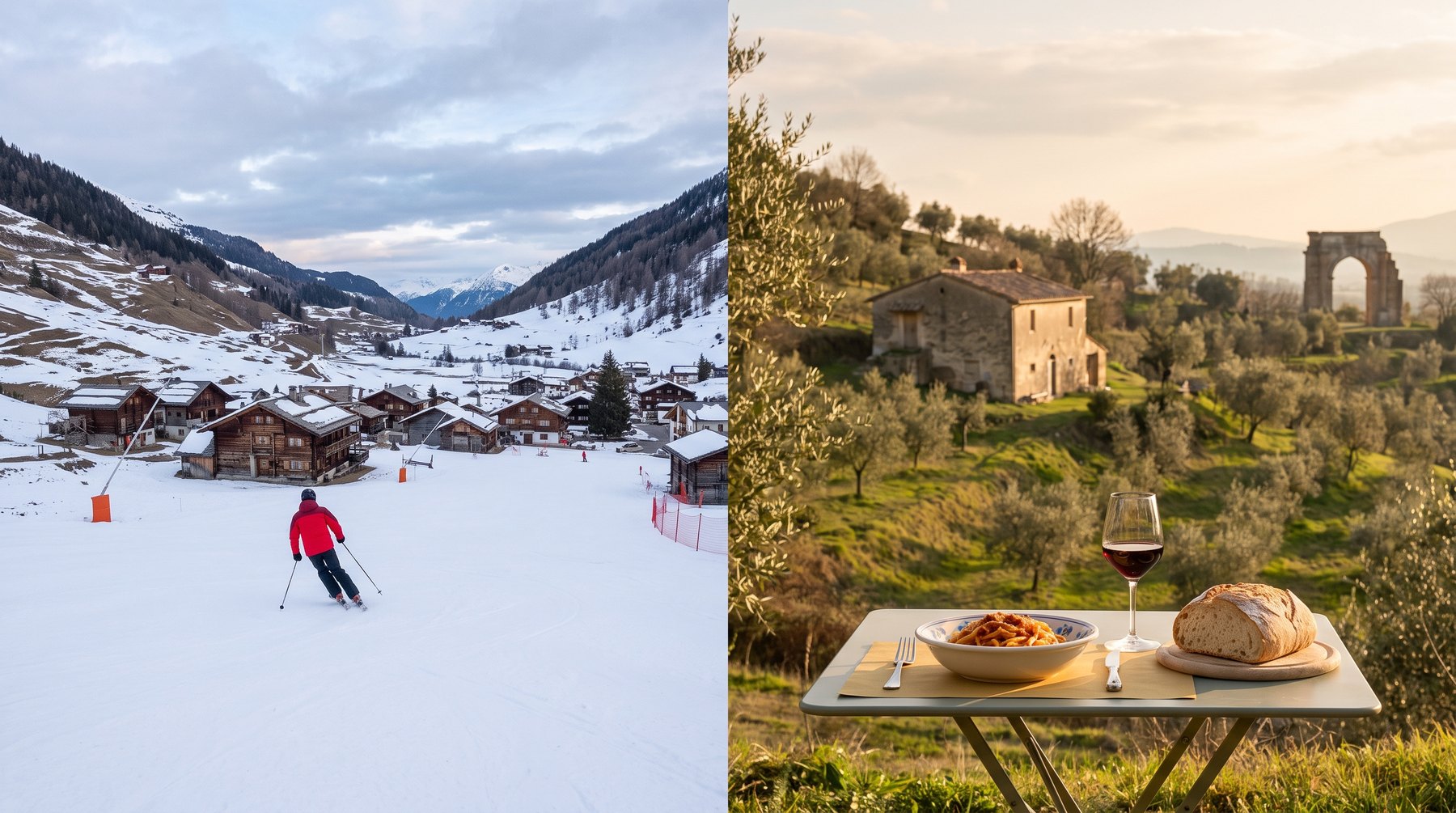
Neighboring locations can still feel very different. Italy and Switzerland share a border. Apex's pictures in your head: Switzerland brings up skiing, chocolate, banks, and cuckoo clocks. Italy brings up pasta, olive groves, sports cars, and Roman ruins.

You learn the theme of place by comparing places that sit next to each other. The Sahara desert and sub-Saharan Africa share a continent and a border. They are still two very different places. Apex's line: so close yet so far away.

Apex warns that the short presentation coming next shows only some basic traits. Places are more complex than that.

Atmosphere art contrasting a snowy Swiss ski village with an Italian olive grove, pasta table, and Roman arch
Italy and Switzerland share a border but bring up different physical and human characteristics. Atmosphere art based on Apex's examples.
Likely on the quiz If two places share a border, they can still have different physical and human characteristics. That is the whole point of this page.

Sahara slideshow: two regions

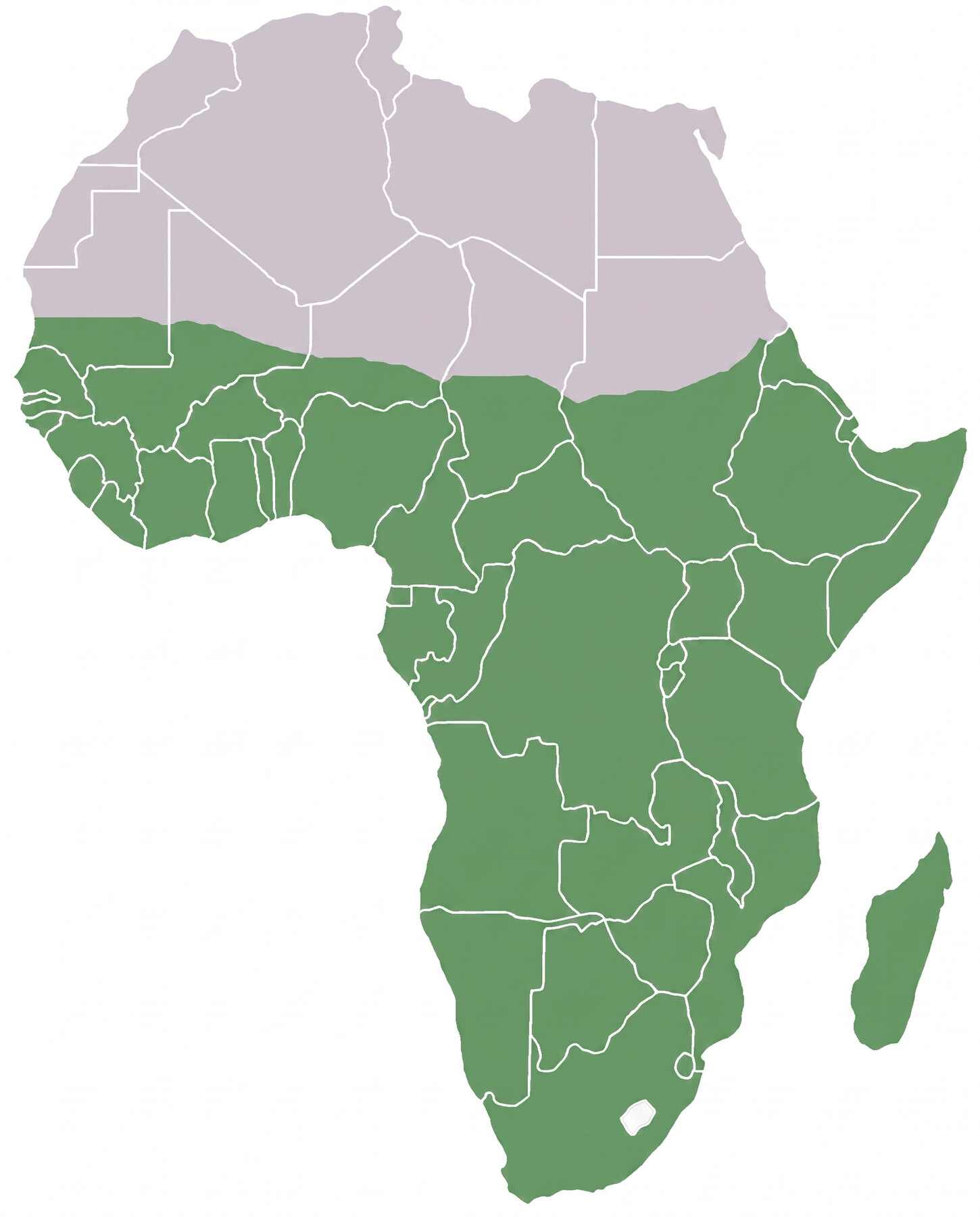
Africa is a large and diverse continent, but two place names are often used to describe the whole: Saharan Africa and sub-Saharan Africa. Saharan Africa is the northern part of the continent that borders the Mediterranean Sea. Sub-Saharan Africa refers to the area that lies south of the Sahara desert.

Apex slideshow map of Africa with the northern Sahara shaded separately from sub-Saharan Africa
Apex slideshow 1 of 5: Saharan Africa in the north and sub-Saharan Africa to its south.

Sahara slideshow: the desert

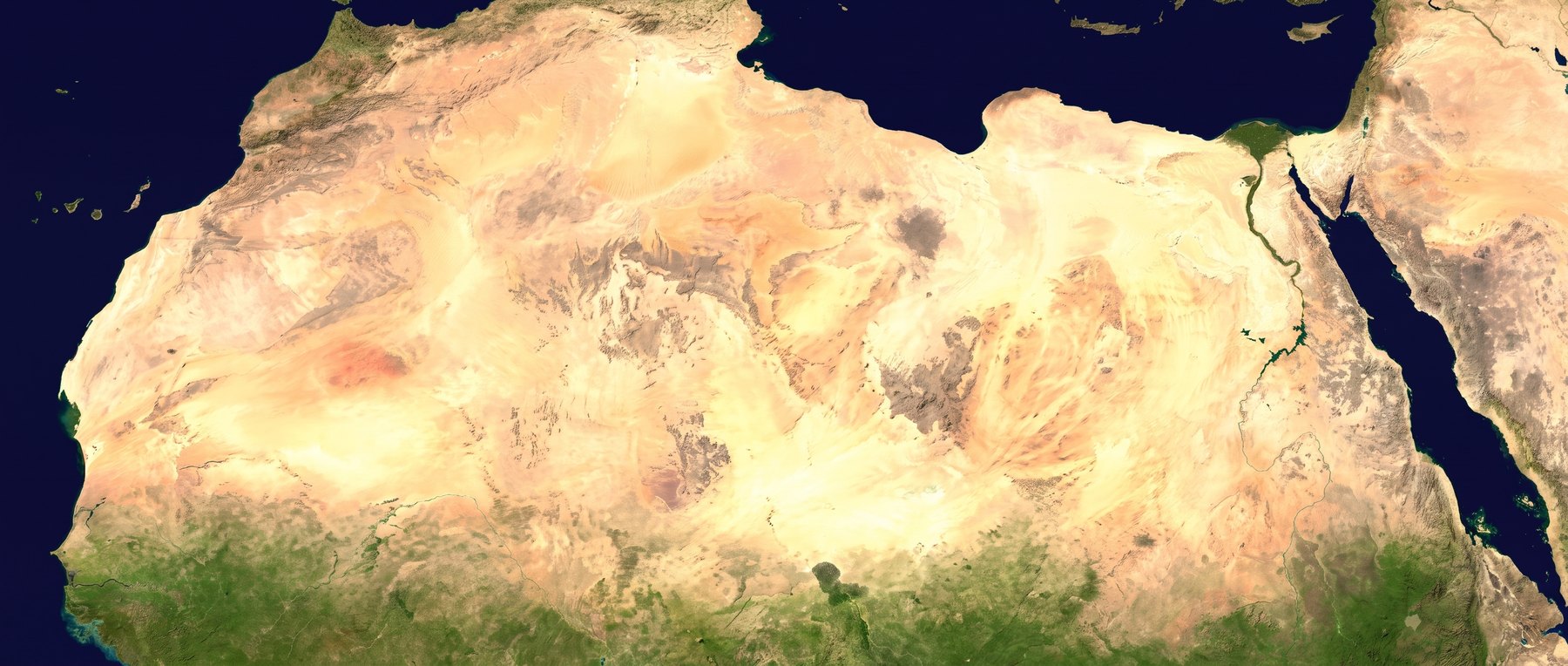
The name "Sahara" easily conjures images of swirling sandstorms and nomadic horsemen. This romanticized image isn't far from the truth of the present-day Sahara. There are volcanoes, pyramids, and sand dunes that attract tourists, but there are no major cities and little human activity. The Sahara is the largest nonpolar desert in the world, stretching 3,000 miles across the northern part of Africa. The bleakness of the Saharan landscape is clearly visible even from space as shown here. Because of the particularly harsh terrain and lack of water, the Sahara is the one of the world's least-populated areas.

Apex slideshow satellite view of the Sahara across northern Africa
Apex slideshow 2 of 5: the Sahara seen from space.

Sahara slideshow: culture

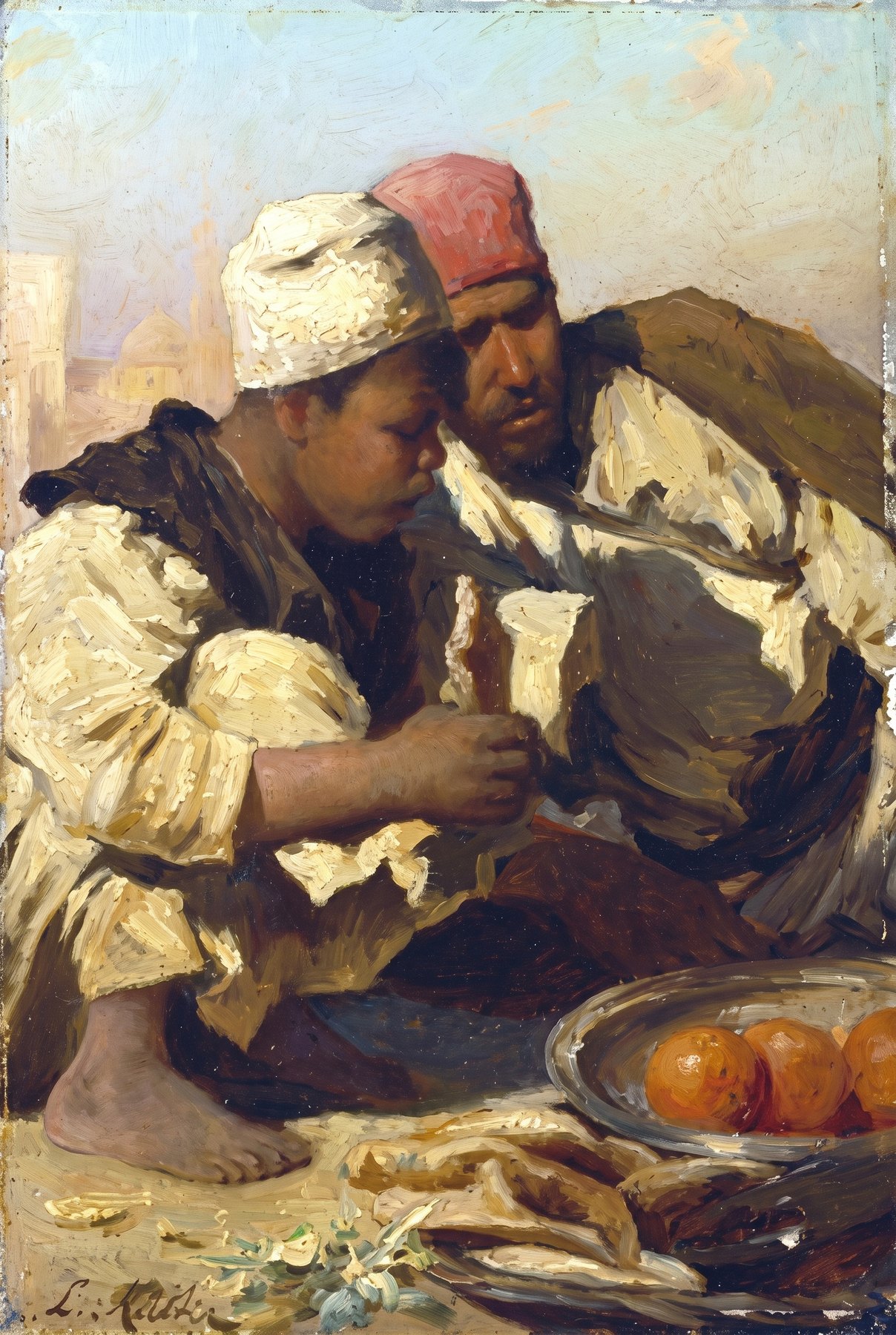
Because of its location near the Middle East and the Mediterranean, the culture of the Sahara has been heavily influenced by the Arab world. Although there is some ethnic and religious diversity, the people of the Sahara are largely Arabic and Islamic.

Apex slideshow painting of two people
Apex slideshow 3 of 5: the slide about the Sahara's Arab and Islamic influence.

Sahara slideshow: south of the desert

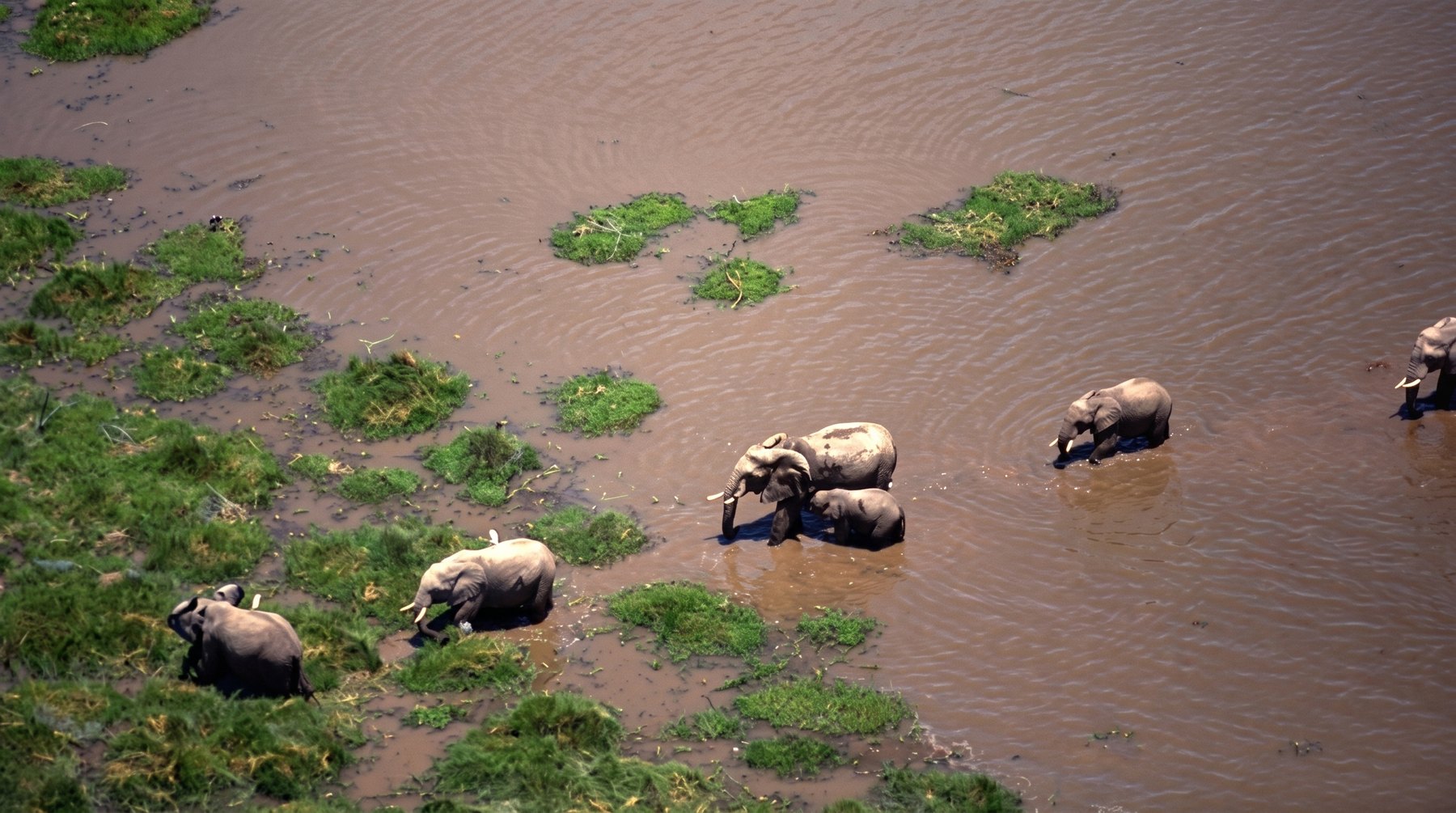
"Sub-Saharan" might sound like a very hot place. Indeed it is, but the climate is much more hospitable to humans than the Sahara to the north. Most of sub-Saharan Africa is tropical with lush jungles and fertile plains. There is a rich diversity of animal and plant life along with nearly every kind of ecosystem imaginable.

Apex slideshow aerial photograph of elephants crossing wet grassland
Apex slideshow 4 of 5: sub-Saharan Africa's diverse plant and animal life.

Sahara slideshow: poverty and isolation

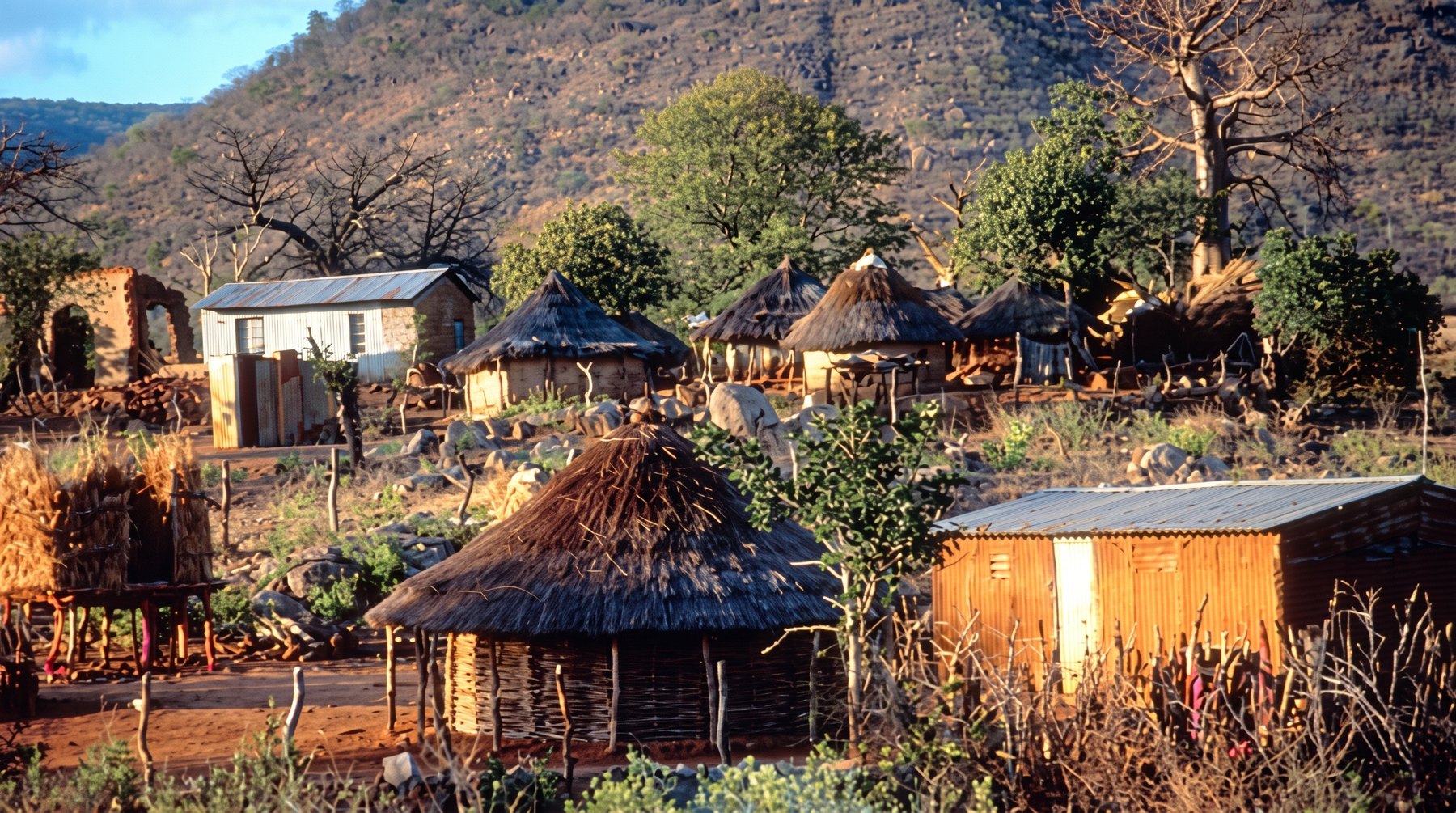
Although the climate and terrain of sub-Saharan Africa are much more hospitable than those of the Sahara, the countries of sub-Saharan Africa are among the poorest in the world. One reason for this poverty is that the Sahara isolated central and southern Africa from the rest of Europe and Asia.

Apex slideshow photograph of a village with round thatched-roof homes
Apex slideshow 5 of 5: the slide about poverty and historical isolation.

Saharan and sub-Saharan Africa

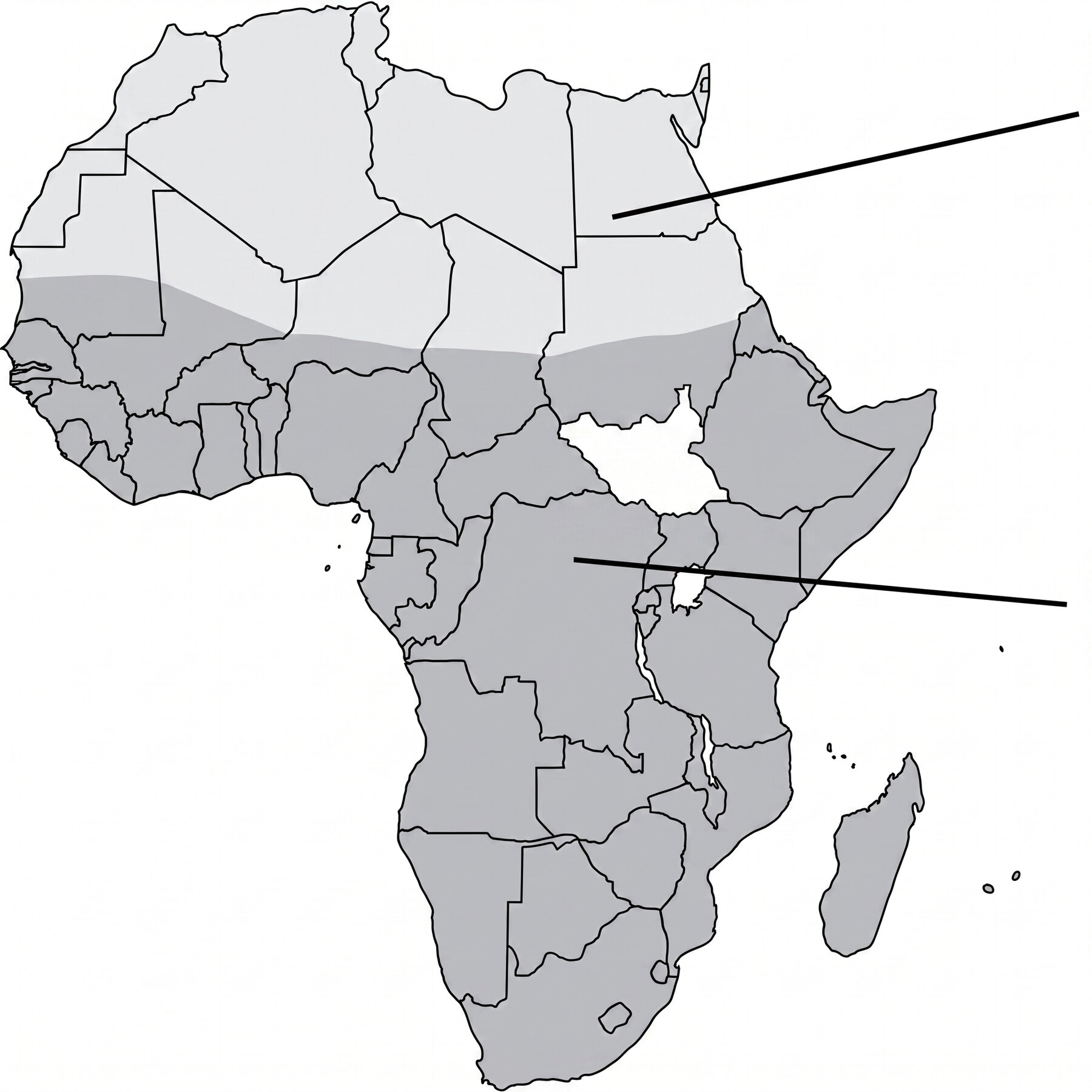
Apex's study-sheet map of Africa has two callout lines. The light band across the north is Saharan Africa (the desert). The darker remainder south of that band is sub-Saharan Africa.

Page 3 is a sort: put each of Apex's seven trait cards with the correct region. Tap the region that matches each card.

Apex's Q3 map. Light northern band: Sahara. Darker south: sub-Saharan Africa.
Likely on the quiz Q3 wants one physical and one human trait for each region. Sahara: barren landscape (physical) and Arab-Islamic culture (human). Sub-Saharan Africa: diverse ecosystems (physical) and high level of poverty (human).

Not sure about this bit?

Describing a place

The world is full of places, and they all have unique descriptions. Apex has you write a brief place description for one country from this list: Mexico, France, India, Japan, South Africa, Chile, Venezuela, Armenia, New Zealand, Poland, Greece, Algeria, Kenya.

Use the two elements: at least one physical characteristic and at least one human characteristic. Switzerland is the model: mountainous (physical) and ski vacations (human).

Apex sends you to the CIA World Factbook to look the country up. That is the assigned tool, not extra credit. Pick one country. Write a few sentences, not a book.

Q2 on the study sheet is the same method on your hometown or home state: one human trait, one physical trait, in your own words.

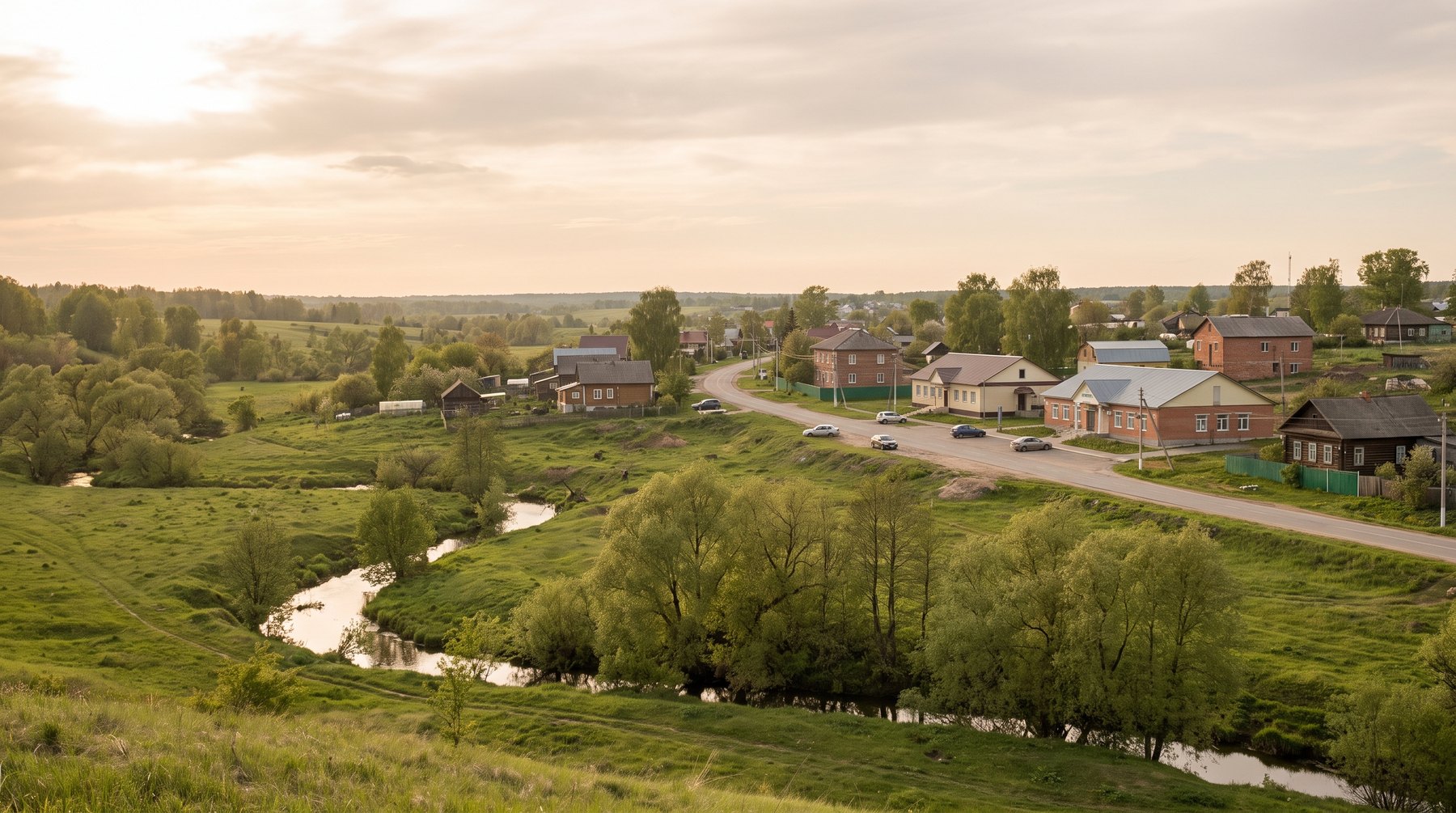
Atmosphere art showing a town beside a stream, with open land, trees, homes, roads, and community buildings
Practice seeing both halves of place: physical features and what people have built or do. This is atmosphere art, not a specific assigned location.
Atmosphere art of an open geography notebook beside an atlas and pencil
Use the notebook to collect one physical and one human characteristic.
Likely on the quiz Q4 is one country from the list. Physical plus human. Do not skip one of the two elements.

So much to see

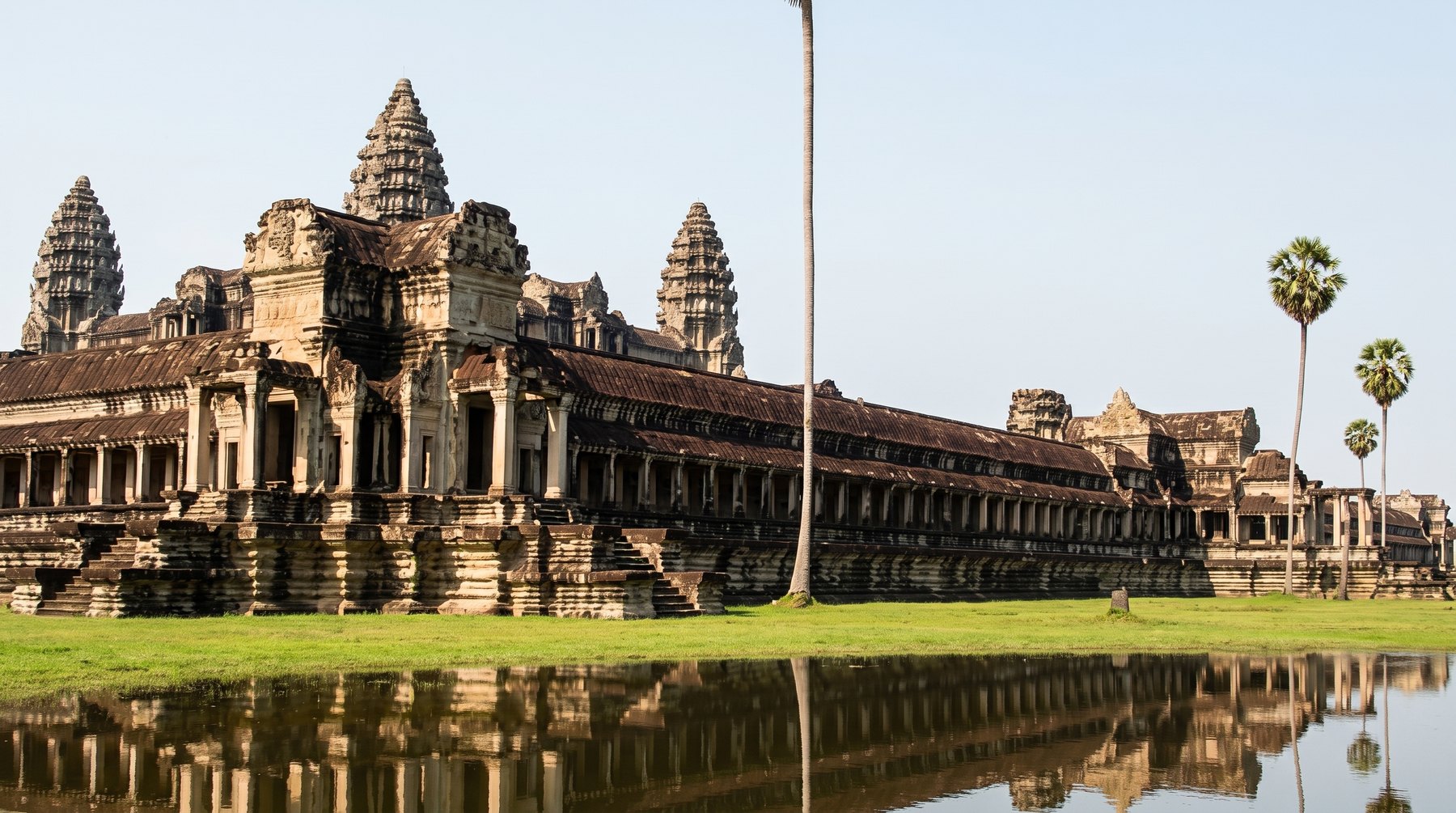
The world is full of places, and this study only showed a few. Apex's picture on this page is Angkor Wat in Cambodia. The caption: the world is full of wonderful places.

Apex asks you to think of a few places you would like to visit, then look them up. The two starting links on the page are a New York Times New Delhi travel guide, and an Ecuadorian Amazon geography activity. You are not graded on which sites you open. The point is that place descriptions get richer when you look.

Apex's page-5 picture. Angkor Wat in Cambodia.
Likely on the quiz This page is exploration, not a new definition. The notebook questions are still Q1–Q5.

The Norwegian migration, through place

Same event as Location. Thousands of Norwegian men and women, mostly farmers, immigrated to North America at the end of the 19th century. Apex's map is still the 1890 Norwegian-born population by state.

Location asked where they clustered. Place asks what those states were like.

They were mostly farmers. The darkest state on the map is Minnesota, in a band of north-central farm country, not a desert and not spread evenly over the whole United States. Place's answer: they moved to a place whose physical character could support farming, and whose human character was other people already settling those states.

Later studies will reuse this same story with region, movement, and human-environmental interaction. For this page, stay on place: what was it like there?

Apex's 1890 map, used again. Location named the cluster. Place asks what that cluster was like.
Likely on the quiz Q5 is not a repeat of 'Minnesota is darkest.' It is why a farmer would care what the place was like.

Your geographer's notebook

Five questions. Here are the notes to write.

1. Two elements of a place description. Physical characteristics and human characteristics.

2. Hometown or home state. One physical trait (land, climate, water) and one human trait (what people do or built). Use your own place. Switzerland's model is mountains plus ski vacations.

3. Saharan Africa and sub-Saharan Africa. Sahara: barren landscape (physical) and Arab-Islamic culture (human). Sub-Saharan Africa: diverse ecosystems (physical) and high level of poverty (human). Apex's other sort cards are sparsely populated and little human activity for the Sahara, and historically isolated for sub-Saharan Africa.

4. One country from the list. Short paragraph. Physical plus human. Look it up in the CIA World Factbook if you need facts. Do not skip one of the two elements.

5. Norwegian migration, through place. Farmers moved to a place that was farm country in the north-central United States, especially Minnesota. Place is what it was like there, not only where the dots sat.

Atmosphere art of an open geography notebook with simple physical and human feature sketches
Write the physical and human halves together. The picture contains no course answers.
High-resolution redraw of Apex's Sahara and sub-Saharan Africa study-sheet map
Q3: light northern Sahara band, darker sub-Saharan region, and the two Apex callout lines.
Likely on the quiz Q2 and Q4 are yours to write. Q1 is two words: physical and human. Q3 uses the Africa map. Q5 uses the same 1890 map as Location, with a different question.
Not sure about this bit?

Before you finish

Run through the study once more.

  • Place answers: What is it like there?
  • Two elements: physical characteristics and human characteristics.
  • Switzerland model: mountainous (physical), ski vacations (human).
  • Italy and Switzerland share a border and still feel different.
  • Sahara traits: barren, sparsely populated, Arab-Islamic culture, little human activity.
  • Sub-Saharan traits: diverse ecosystems, high level of poverty, historically isolated.
  • Q4: one listed country, physical plus human, Factbook if you need it.
  • Norwegian 1890, through place: farmers moving to farm country, especially Minnesota.
Atmosphere art of an open geography notebook beside an atlas and pencil
One last look before you move on.