

The big idea Review the geometry building blocks and learn how to tell definitions, postulates, and theorems apart.
Geometry Foundations Exam Part One — Study 1/4
Module 01 — Geometry Foundations
Module 01 — Geometry Foundations
Today, focus only on the basic figures and the kinds of statements used in geometry. Say each definition aloud before moving on.
When you finish the three-question check, continue to Study for Geometry Test — 2/4.
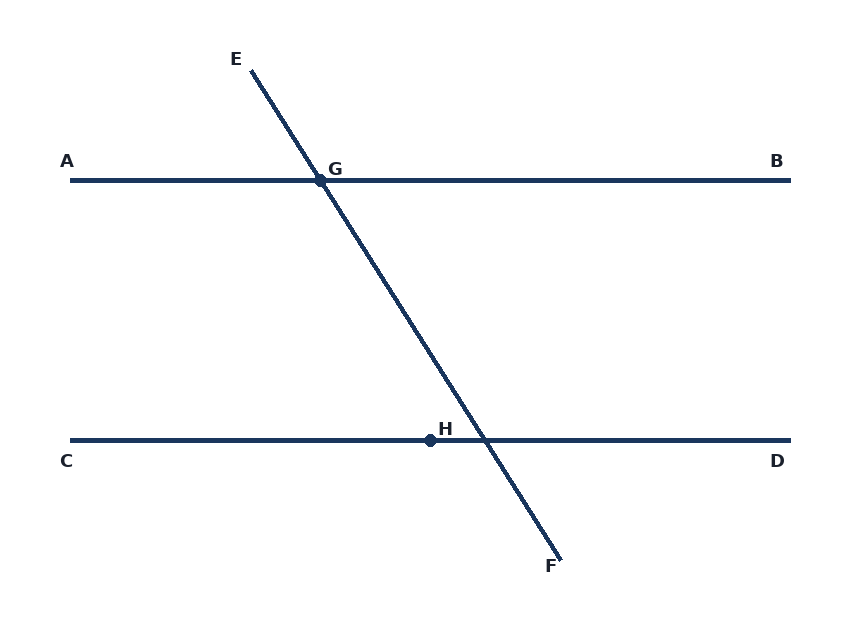
Point, line, and plane are undefined terms. A point names a location and has no dimension. A line has one dimension and continues forever in both directions. A plane is flat, has two dimensions, and continues forever.
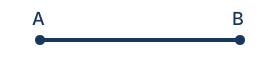
A segment is part of a line with two endpoints. A ray has one endpoint and continues forever in one direction.

A definition tells exactly what a word means. A postulate is accepted as true without proof. A theorem is proven using definitions, postulates, and earlier results.
Example: “Through any two points, there is exactly one line” is a postulate. “Vertical angles are congruent” is a theorem.
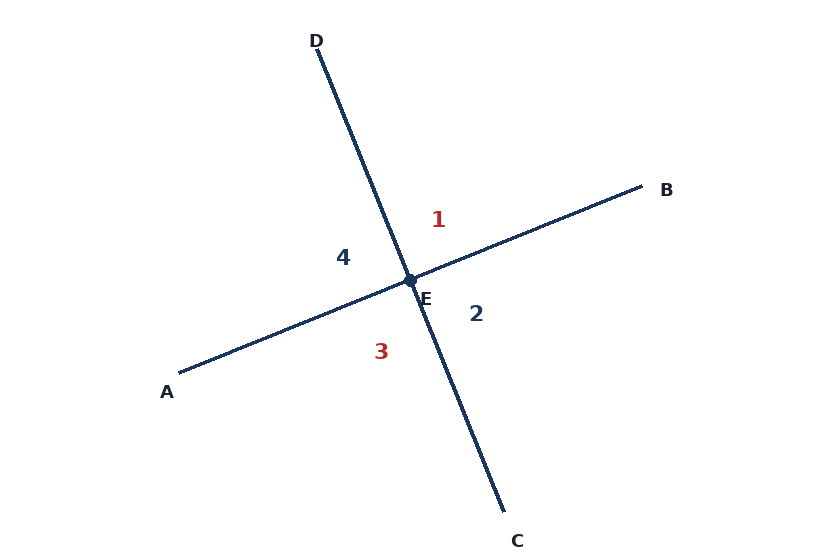
Answer all three without notes. If one is wrong, return to the card that explains it and try again.